Offering in person counselling in Nanaimo, BC and Virtual counselling across British Columbia.
Book with The Nest Counselling Services here!
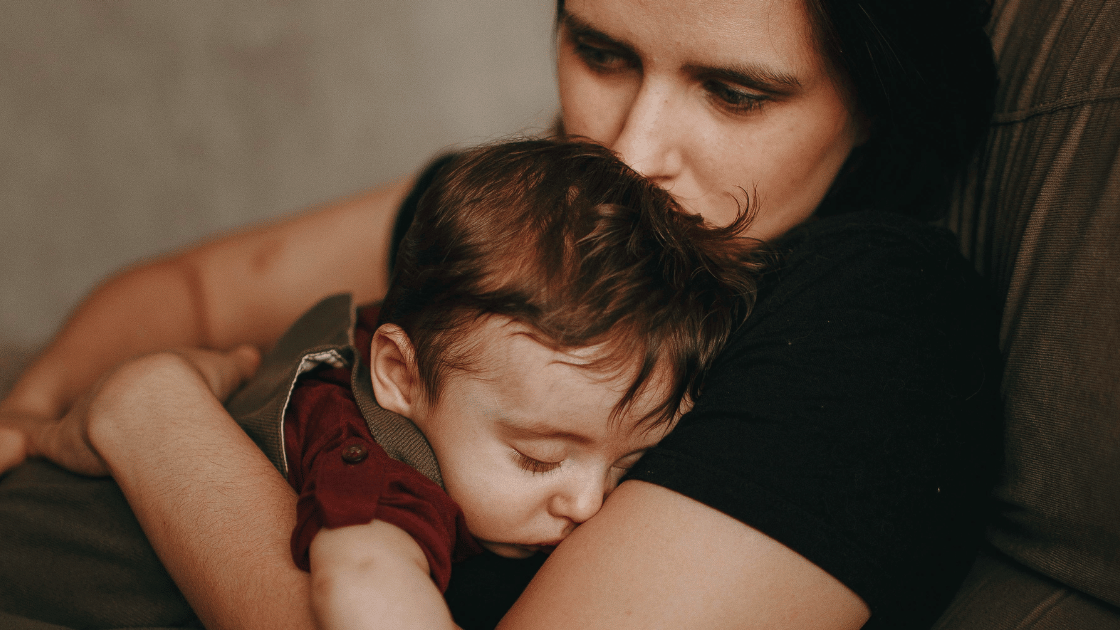
Becoming a mom was a challenging transition for me, but becoming a mom of two really took a toll on my mental health. It took me a bit to realize that what I was experiencing was more than the stress of having two tiny humans. Once I did, I knew I could not keep going without support.
Looking back, one of the hardest parts of recognizing postpartum depression was saying those words out loud to my partner. Call it pride, call it stubborn determination to white-knuckle my way through life, call it shame. I was resistant and scared to say the words. But once I did, I was able to access the support I needed.
If you are feeling alone with your mental health right now, we hope this article helps you feel more confident talking to your partner about perinatal mood and anxiety disorders and taking steps toward support.
How To Know If You Are Experiencing a Perinatal Mental Health Disorder
Perinatal refers to the period from pregnancy through birth and up to one year postpartum. This timeframe includes both prenatal (before birth) and postpartum (after birth) experiences. There are several mental health conditions that fall under this umbrella, including depression, bipolar disorder, mania, psychosis, anxiety, and OCD.
Experiencing perinatal mental health symptoms can feel frightening, isolating, and confusing, especially if you have never experienced depression or anxiety before. While it is important to seek assessment from a qualified medical professional, there are some symptoms you can self-reflect on that may indicate a need for additional support.
You may benefit from further assessment or care if you are experiencing:
Feeling depressed or emotionally numb
Lack of interest in your baby
Loss of interest in activities you usually enjoy
Feelings of hopelessness
Brain fog or difficulty concentrating
Trouble sleeping even when your baby sleeps
Panic attacks
Intense worries or fears
Intrusive, unwanted, or frightening thoughts
Flashbacks related to the birth
Urges to repeat behaviours to manage anxiety
Seeing images or hearing sounds others do not
Feeling unusually energized, needing little sleep, or engaging in risky behaviours
Thoughts that others would be better off without you
If you are having thoughts of harming yourself or your baby, please seek immediate help by calling 9-1-1 or your local crisis line.
What Is the Difference Between Normal Stress and a Perinatal Mental Health Disorder?
The difference between typical stress and a perinatal mental health disorder often lies in intensity and impact on daily functioning.
For example, worrying occasionally about your baby’s wellbeing is common. If those worries are easily soothed and do not disrupt your sleep, concentration, or relationships, they likely fall within normal adjustment stress. However, if worries dominate your thoughts, interfere with sleep or eating, or strain your relationships, additional support may be helpful.
How To Let Your Partner In On Your Struggles
Sharing mental health struggles can feel vulnerable, especially when it is hard to put words to what you are experiencing. Your partner has likely noticed changes in you, even if they do not fully understand what is happening. Naming your experience can help them better support you and make sense of what they are seeing.
People vary in how comfortable they are discussing mental health. Some partners may feel open and receptive, while others may feel unsure or overwhelmed. It is common to feel frustrated if your partner does not immediately understand the depth of your distress.
While every relationship is different, these suggestions can help you begin the conversation:
Choose a neutral moment rather than raising it during a crisis
Keep the language simple, such as: “I think I might be experiencing postpartum depression and I’m really struggling. I feel scared and I need help.”
Share information about safety and risk so your partner understands the seriousness
Be clear about what support you may need from them or what resources you want to explore together
Resources for Postpartum Depression and Anxiety
Once you have shared your experience, reaching out for support is an important next step. There is no single right approach. Support looks different for everyone, and you do not need a formal diagnosis to ask for help.
Helpful resources may include:
Speaking with a physician about assessment, medication options, or referrals
Working with a therapist who has specialized training in perinatal mood and anxiety disorders
Postpartum Support International’s provider directory, support groups, and educational materials
Postpartum doulas who can support you, your baby, and your household
Peer mentor programs and free support groups through Postpartum Support International
Podcasts and books focused on maternal mental health and recovery
Conclusion
If nothing else, we hope this article reminds you that you are not alone. Postpartum depression and anxiety are common, treatable, and deserving of care. Talking to your partner is often the first step toward feeling less isolated and more supported.
These days can feel heavy, but with the right help, they can also feel more manageable. Support exists, and you do not have to navigate this alone.
If you are looking for professional support, our team works with individuals and couples navigating perinatal mental health and the transition into parenthood. We offer both virtual and in-person counselling and can help you explore what support feels right for you.

About the Author: Autumn Fowler, MA, CCC
Autumn is a psychotherapist and relationship specialist serving individuals and couples who desire fulfilling relationships with the people who matter most - whether this be with themselves, a family member, friend, or spouse. She has a special interest in working with those on the journey towards or transition into parenthood. Autumn is also a wife, mama to two young boys, daughter, sister, and friend. She cares deeply about the human connection and loves sharing this passion with her community.